

Asia, Cruises, Enews, Travel, Travel Events
Seven Seas Explorer’s Japan in Spring: Cherry Blossoms, Geisha Districts, Samurai Heritage and the Hidden Side of Japan
Jul
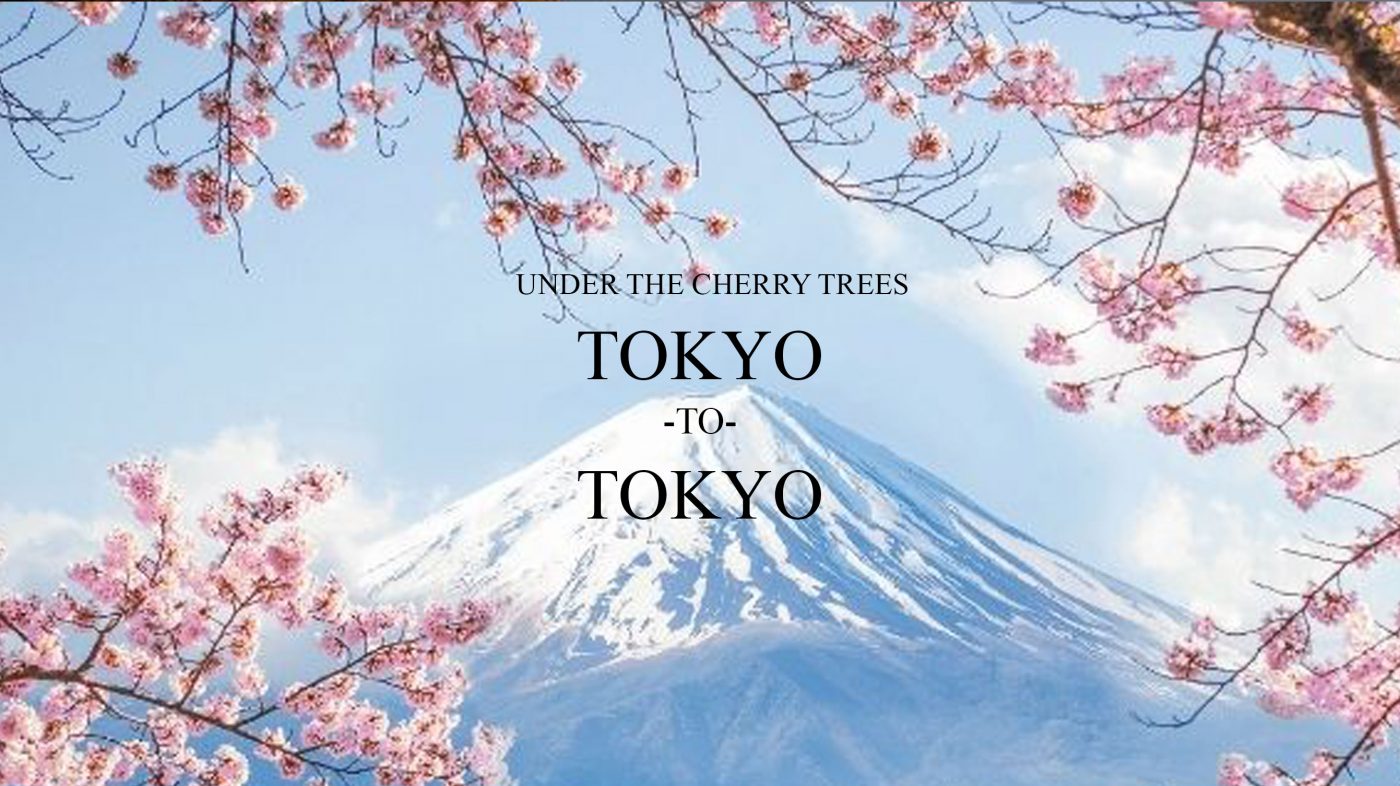
The first blossoms have begun to appear in Tokyo. Across Japan, winter is slowly retreating, temple gardens are stirring back to life and castle grounds are preparing for one of the country’s most anticipated seasons. As Seven Seas Explorer slips quietly away from the capital, we find ourselves following spring itself around the Japanese archipelago.
This is not simply a cruise around Japan. It is a journey in the perfect time of year through a country in transition, as the first colours of spring spread northwards across mountains, coastlines and ancient cities, revealing different faces of Japan along the way.
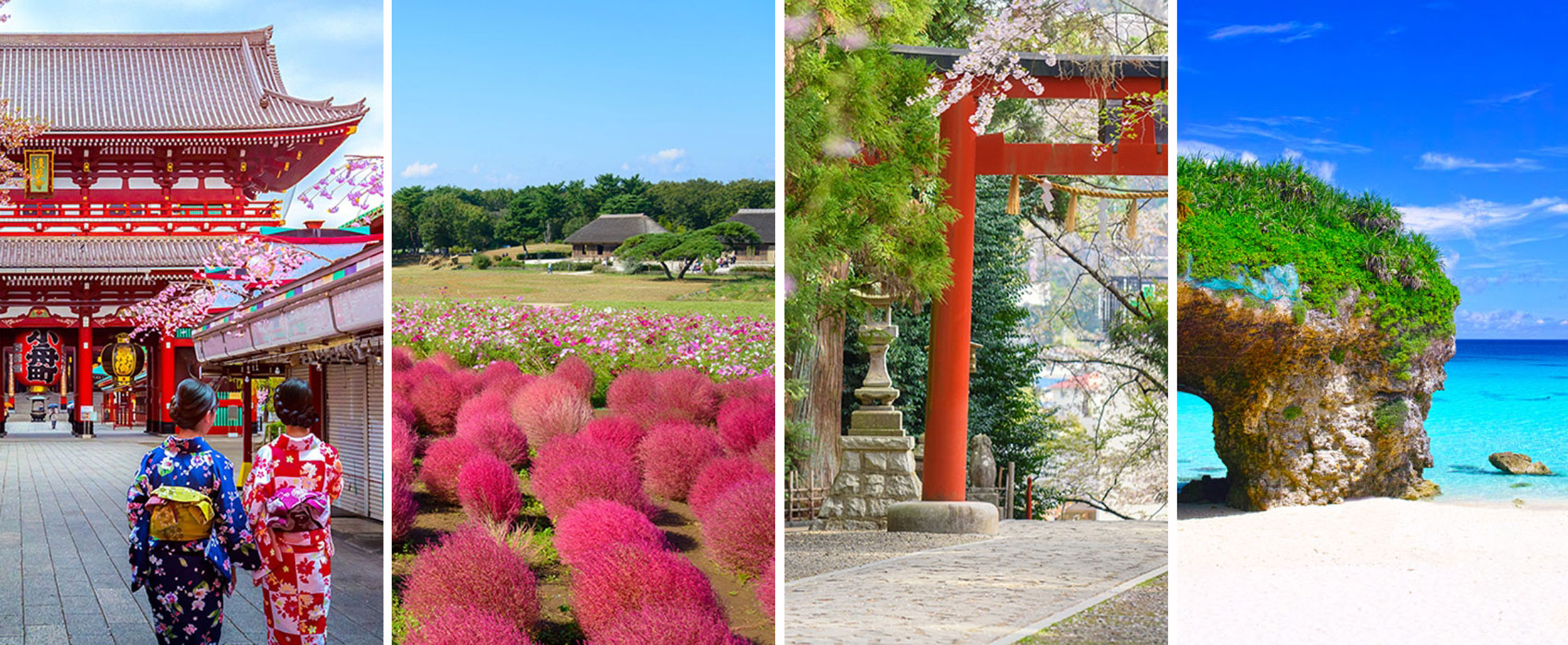
What appealed to us most about Explorer’s journey is the breadth of Japan it reveals. Alongside the highlight of the celebrated cherry blossom season, we encounter landscapes, traditions and communities that many visitors never have the opportunity to experience. Pine-covered islands in Matsushima Bay, samurai districts preserved from another age, Unesco-protected mountain villages, sacred shrines woven into Japanese mythology and the dramatic coastlines of northern Honshu and Hokkaido combine to create a richer and more rounded picture of the country. It is a voyage that complements Japan’s famous highlights with places that reveal another side of the nation which is often unseen.
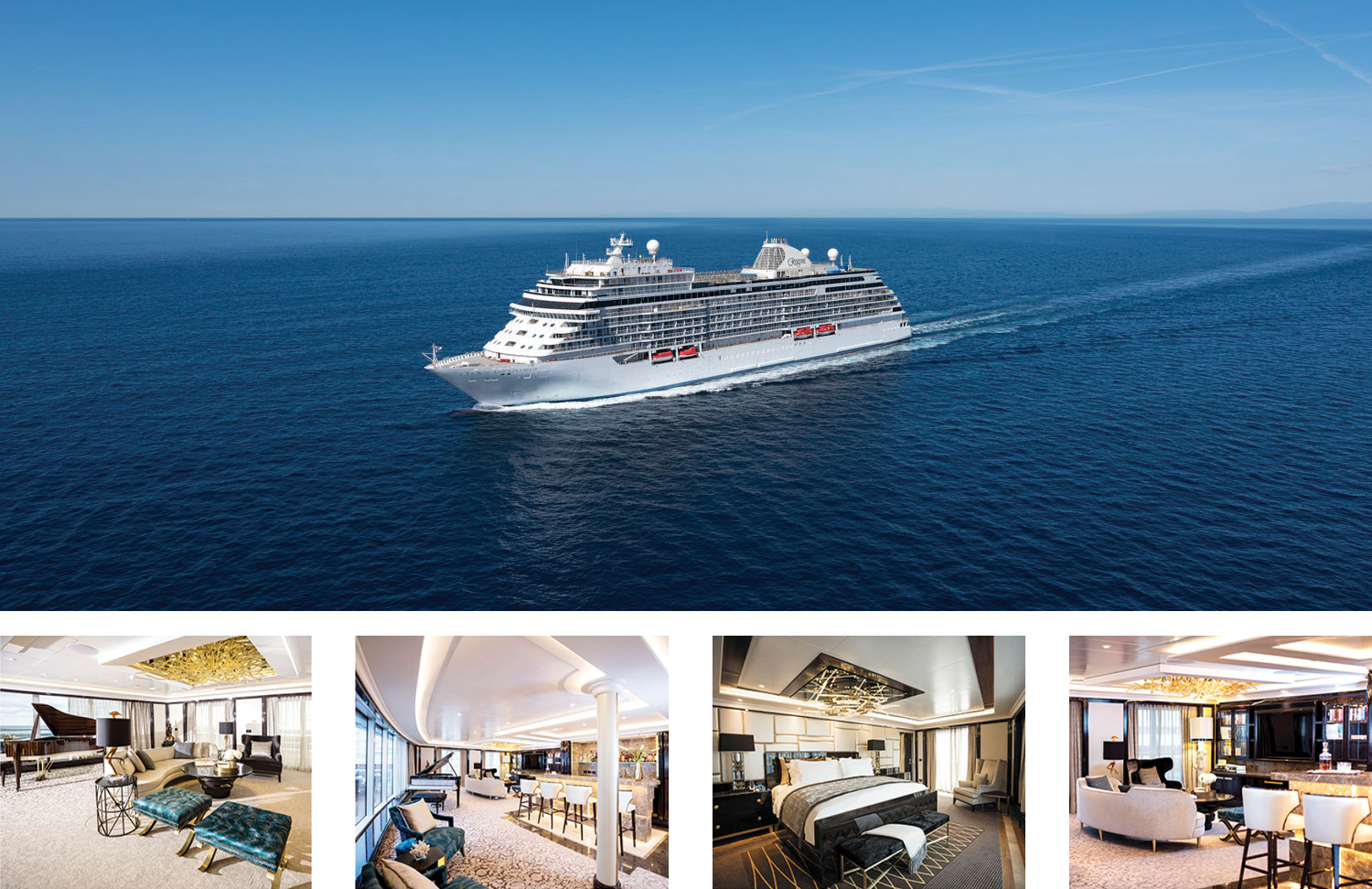
The date is March 17, 2028, and the voyage is 14 nights, from Tokyo to Tokyo aboard what is hailed as the world’s most luxurious cruise ship, Regent Seven Seas Explorer.
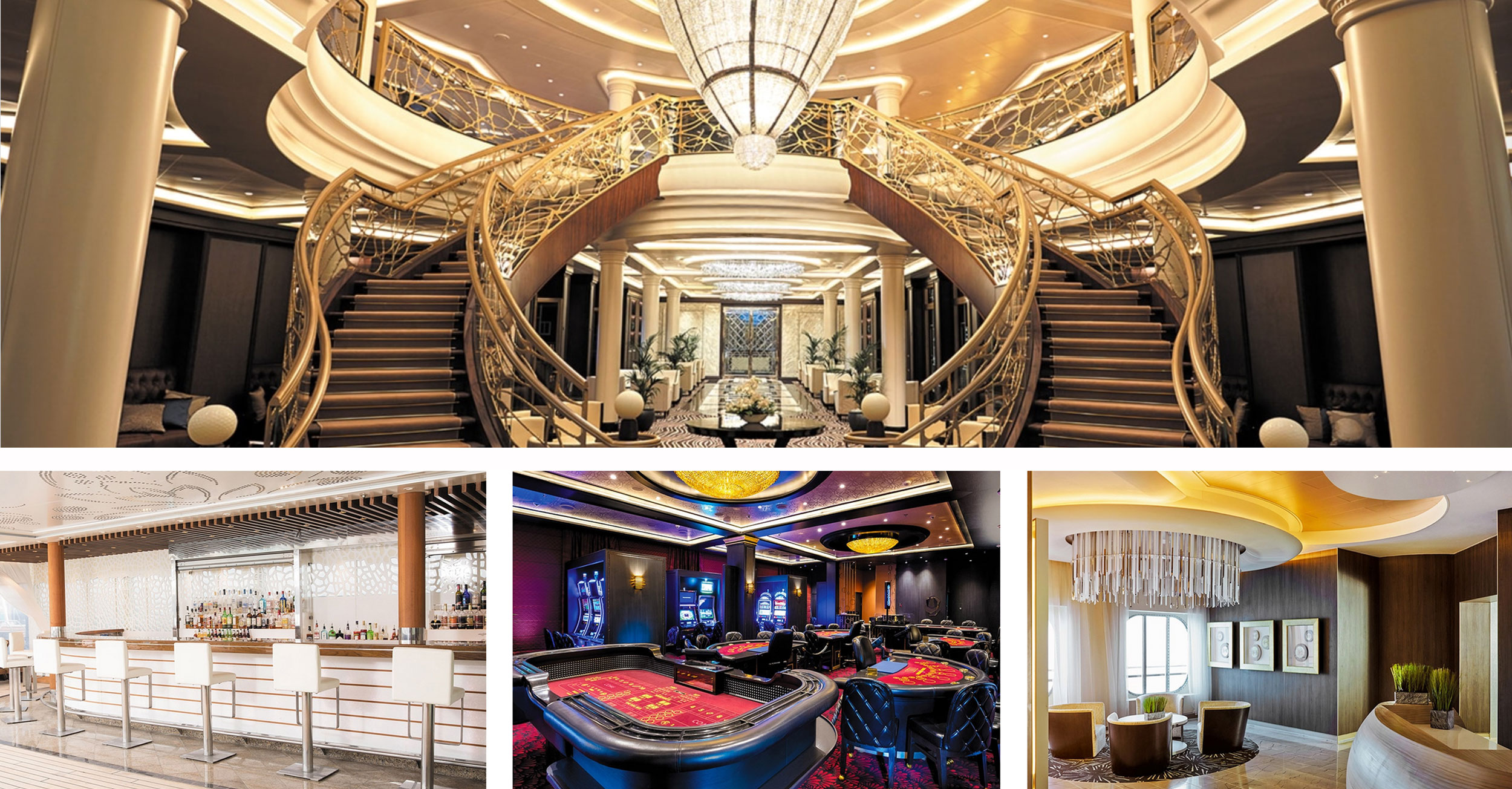
Explorer sails out from Tokyo harbour on the evening tide, as we enjoy our first night at sea—the welcome Champagne, the elegant suites, the restaurants brimming with delicacies to savour, among all the many delights of this world-famous ship. By morning, Explorer reaches Hitachinaka on the coast of Ibaraki Prefecture. Tokyo already feels surprisingly distant. The energy of the capital has given way to gardens, shrines and quieter landscapes as the voyage begins its gradual journey northwards along Japan’s Pacific coastline. By late afternoon we return to the ship and, as dinner is served, Explorer continues through the night towards Sendai.
It is a rhythm that soon becomes one of the great pleasures of the voyage. Each evening, after a day ashore, we return to the luxury of Explorer. There is time for Champagne or cocktails before dinner served with fine wines, perhaps a stroll on deck beneath the stars, before the ship quietly carries us onwards to another destination. By morning, a different chapter of Japan awaits.
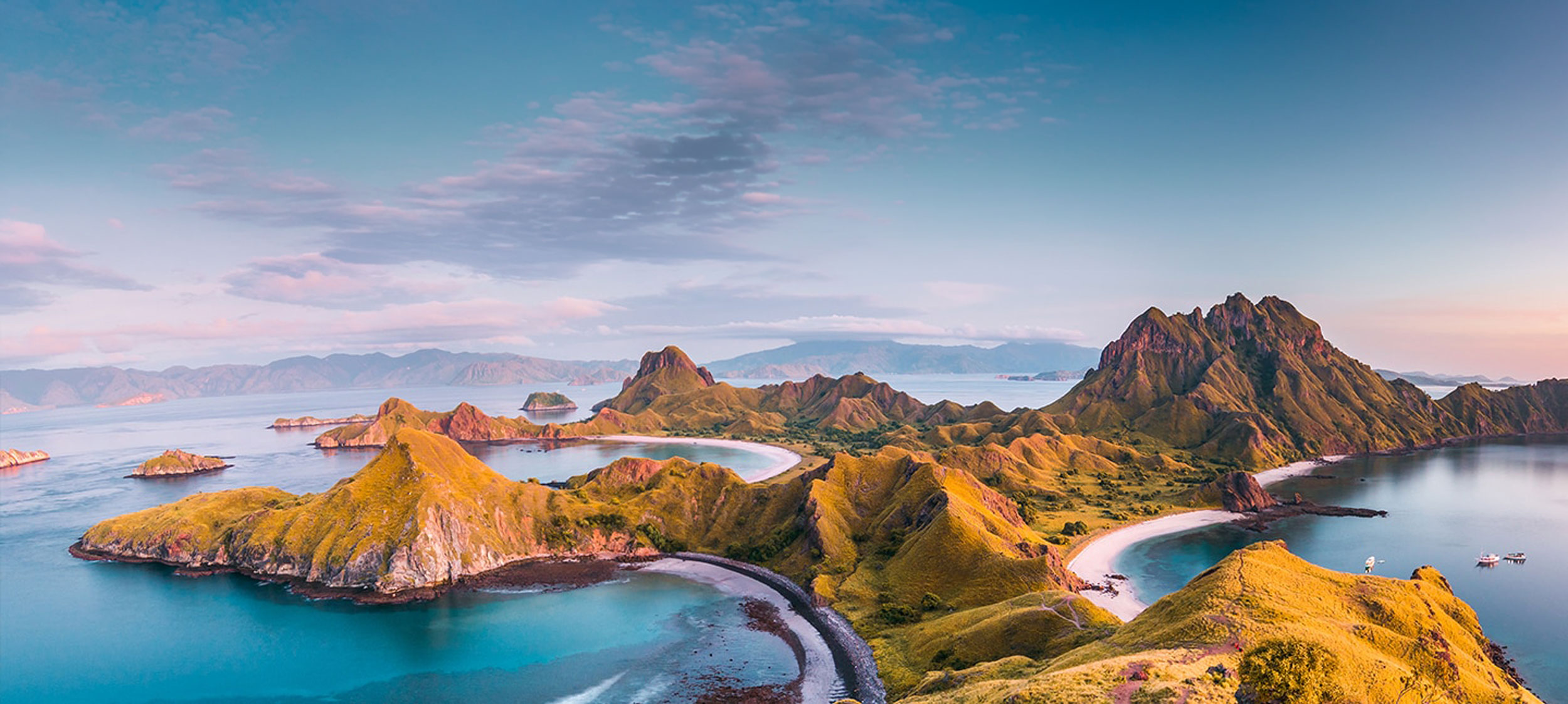
In Sendai, many of us will find ourselves drawn towards Matsushima Bay, regarded for centuries as one of Japan’s most beautiful landscapes. Hundreds of pine-clad islands rise from tranquil waters, whilst nearby lies Zuiganji Temple, where elaborately carved cedar halls and tranquil Zen gardens have welcomed visitors for centuries. A cruise through the bay reveals why poets and artists have celebrated this landscape for generations. Returning to the ship in the late afternoon, perhaps after enjoying some of the region’s celebrated seafood, it is easy to understand why Matsushima remains one of Japan’s most treasured views.
Overnight, Explorer continues north. Next day brings Miyako and one of the voyage’s most thought-provoking experiences. Here we encounter communities that rebuilt themselves following the devastating tsunami of 2011. The giant seawall, the stories of resilience and the remarkable recovery of the region offer a powerful insight into contemporary Japan. It is a reminder that travel is not only about beautiful places but also about understanding the people who live within them.
A day at sea follows as Explorer continues towards Japan’s northern island. Breakfast is served with uninterrupted ocean views. The observation lounges become perfect places from which to watch the horizon, whilst the ship’s restaurants, spa, the elegant public spaces and our own elegant suites and balconies remind us why Explorer remains one of Regent’s most admired vessels. During the night, Explorer crosses the Tsugaru Strait.
Somewhere ahead lies Hokkaido, and when land finally reappears it feels noticeably different. Hakodate introduces a more rugged Japan, where forests, mountains and volcanic landscapes dominate the scenery. Excursions lead towards Onuma National Park, where lakes and islands lie beneath the imposing presence of Mount Komagatake. The air feels fresher here, the landscapes broader and the pace altogether calmer. Some guests may choose to ride to the summit of Mount Hakodate, where one of Japan’s most celebrated city panoramas unfolds between sea and mountain, whilst others may prefer a leisurely stroll through the historic streets of Motomachi with their intriguing blend of Japanese and Western influences.
Hokkaido is also regarded by many Japanese travellers as one of the country’s great food destinations. Exceptional crab, scallops, sea urchin and other seafood are celebrated throughout the island, and for those who enjoy discovering a destination through its cuisine, this part of the voyage delivers rewards as memorable as the scenery. Leaving Hokkaido astern, Explorer begins her journey south once more.
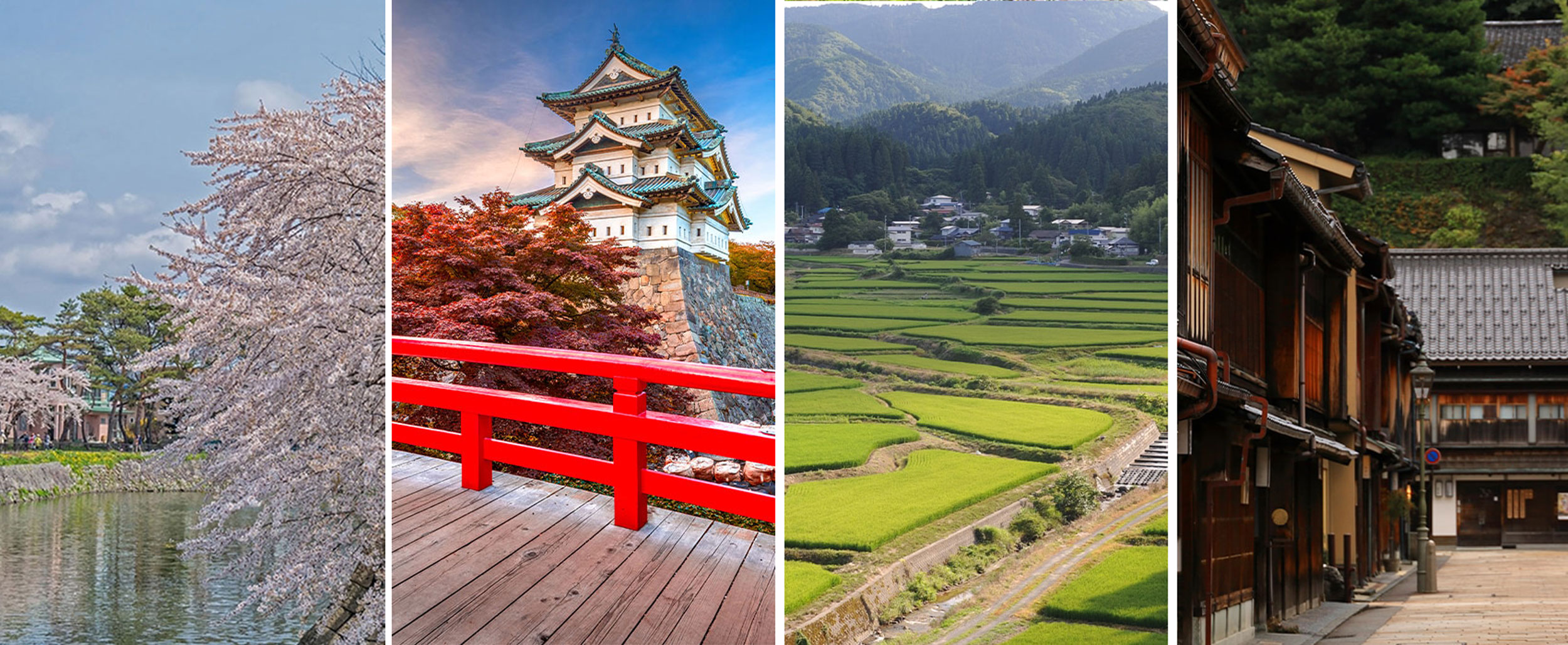
By the time she reaches Aomori, spring has arrived more confidently. At Hirosaki Castle, thousands of cherry trees surround ancient stone walls and moats in one of Japan’s most celebrated blossom displays. During the season, drifting petals settle upon the water, creating scenes that seem almost impossibly beautiful.
Yet Aomori offers more than blossom alone. Some guests will find themselves exploring the remarkable Neputa museums, where gigantic festival floats depicting warriors, gods and mythical creatures tower overhead in a riot of colour. Others may venture into the countryside towards apple orchards and mountain landscapes, discovering a region whose traditions remain deeply rooted in northern Japan. We suspect this will become one of the defining memories of the voyage.
One of the aspects we particularly like about this itinerary is the way it continually adds new layers to the story of Japan.
Farther south lies Akita and the wonderfully preserved samurai district of Kakunodate. Broad avenues lined with cherry trees lead past elegant wooden residences, some still occupied by descendants of the families who lived here centuries ago. Original armour, family heirlooms and traditional craftsmanship offer glimpses into the lives of the samurai families who once shaped the region. Walking these quiet streets feels less like visiting a museum and more like stepping briefly into another age.
Then comes Kanazawa and one of the voyage’s most rewarding excursions. Deep in the mountains lies Shirakawa-go, a Unesco World Heritage village famous for its steeply pitched thatched farmhouses. Surrounded by forests and seemingly untouched by modern life, it offers a glimpse into a traditional Japan that has largely disappeared elsewhere. Arriving here feels rather like stepping into a painting. The great timber houses, some more than 250 years old, stand beneath the mountains exactly as they have for generations, whilst streams run between narrow lanes and smoke curls gently from the rooftops. In spring, the surrounding countryside begins to emerge from winter, adding fresh greens to a landscape that feels timeless. It is the sort of place we will remember long after the voyage has ended.
Yet Kanazawa’s appeal extends well beyond its mountain villages. This former castle town remains one of Japan’s great cultural centres. Guests may stroll through the Higashi Chaya geisha district, where beautifully preserved teahouses line narrow streets much as they did centuries ago, or wander through Kenrokuen, widely regarded as one of Japan’s finest landscape gardens.
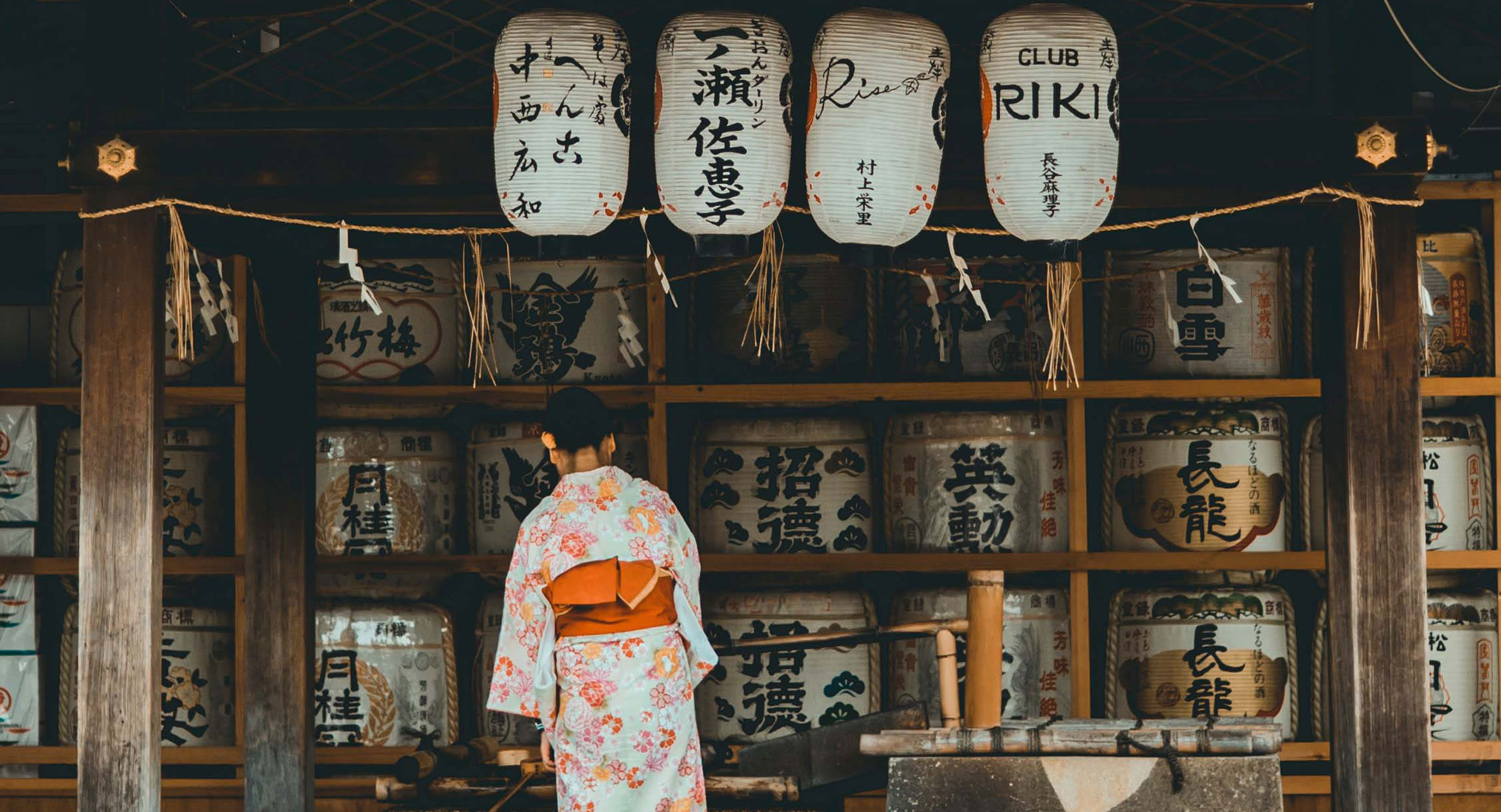
Traditional arts continue to flourish here. Some excursions offer opportunities to watch master craftsmen create extraordinarily delicate gold leaf, a craft for which Kanazawa is renowned, whilst others introduce the art of making wagashi, the exquisite sweets traditionally served during Japanese tea ceremonies. Together they reveal a city where refinement and craftsmanship remain part of everyday life.
Kanazawa itself has long been regarded as one of Japan’s culinary treasures. Seafood arrives daily from the Sea of Japan, whilst centuries of refinement have shaped a distinctive local cuisine. For many visitors, exploring Japan through its food becomes every bit as rewarding as visiting its temples, gardens and historic districts.
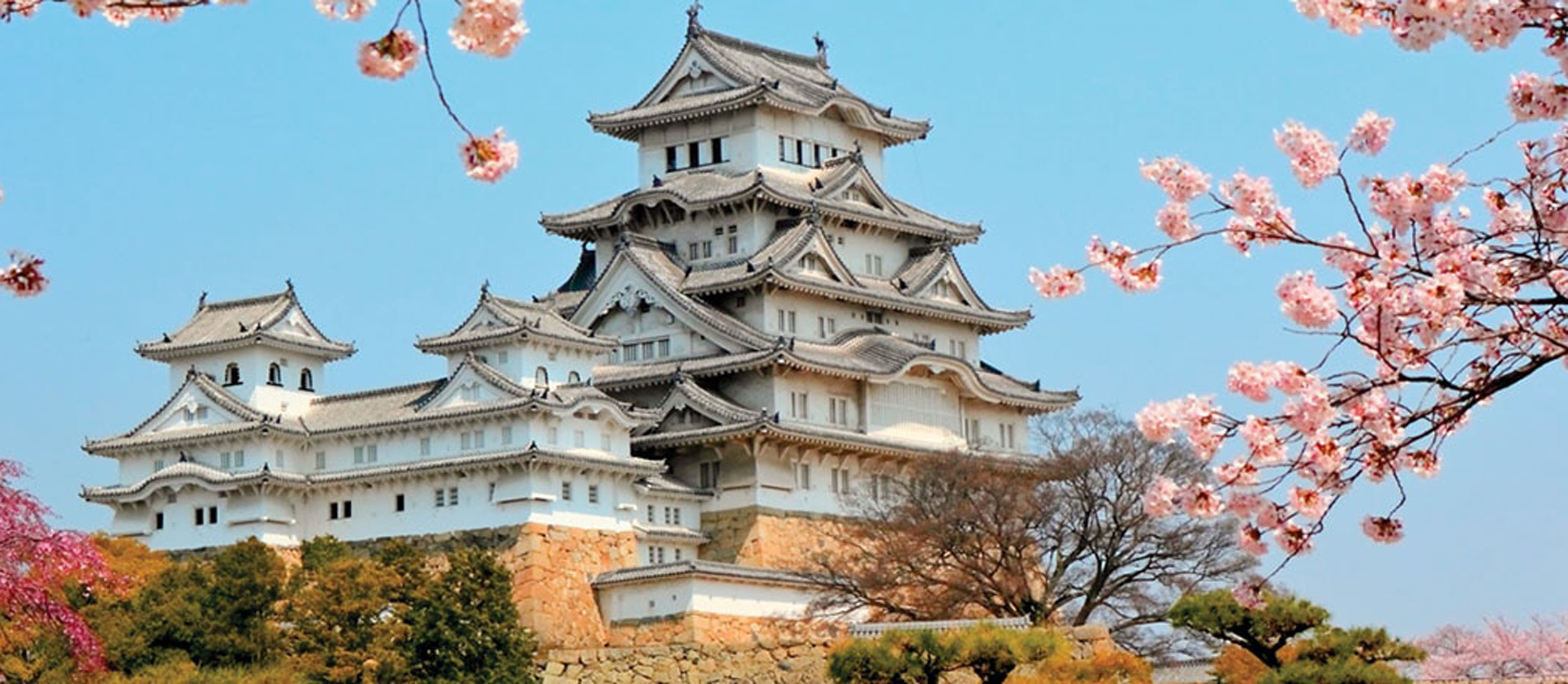
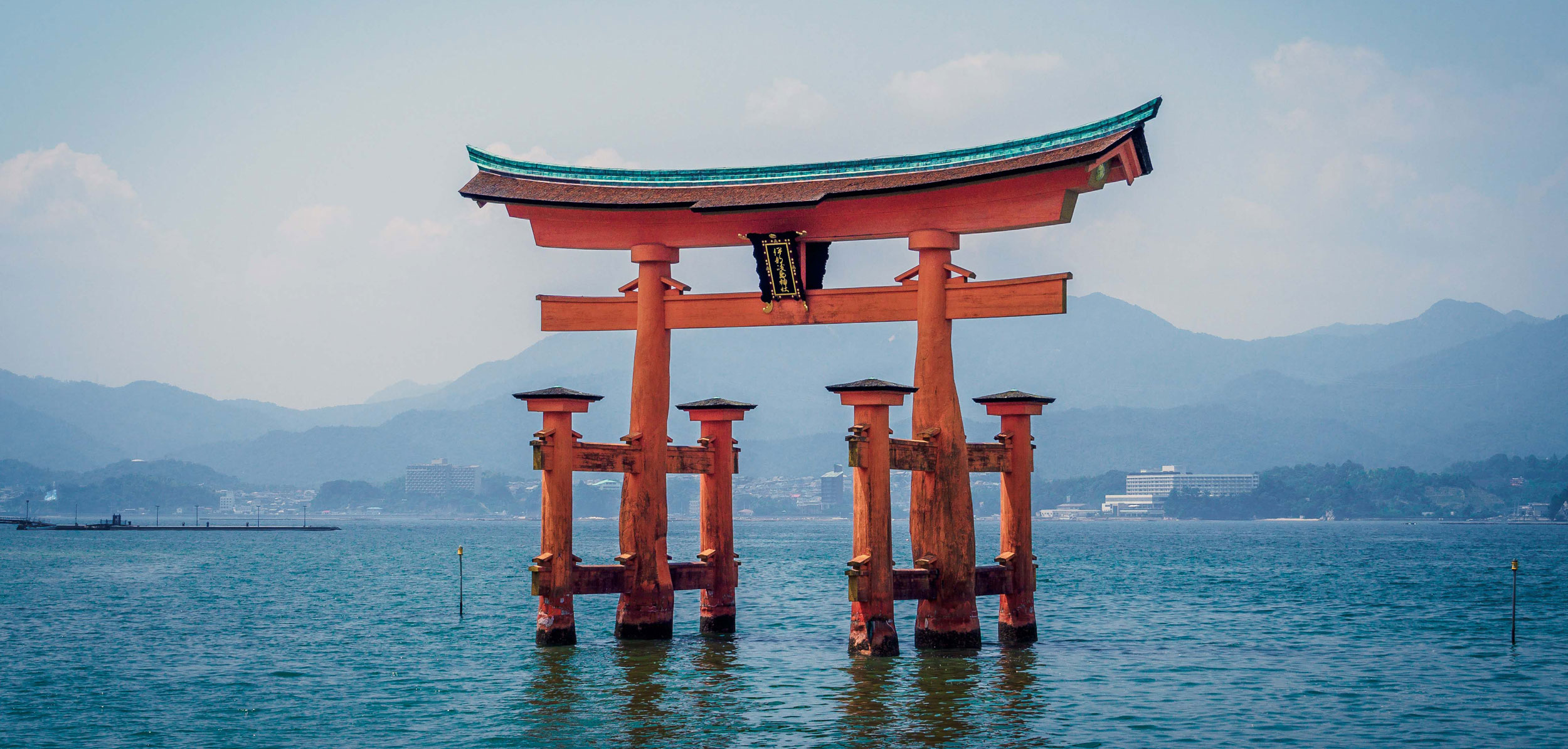
Explorer continues south along the Sea of Japan coast to Sakaiminato, where many of us will be drawn towards the revered Izumo Grand Shrine, regarded as one of the oldest and most important spiritual sites in Japan. Pilgrims have travelled here for centuries. The atmosphere is peaceful, timeless and deeply moving. According to Japanese mythology, this is where the nation’s gods gather each year, and even today there is a palpable sense of reverence beneath the towering cedar trees and ancient wooden structures.
And then we sail to Korea.
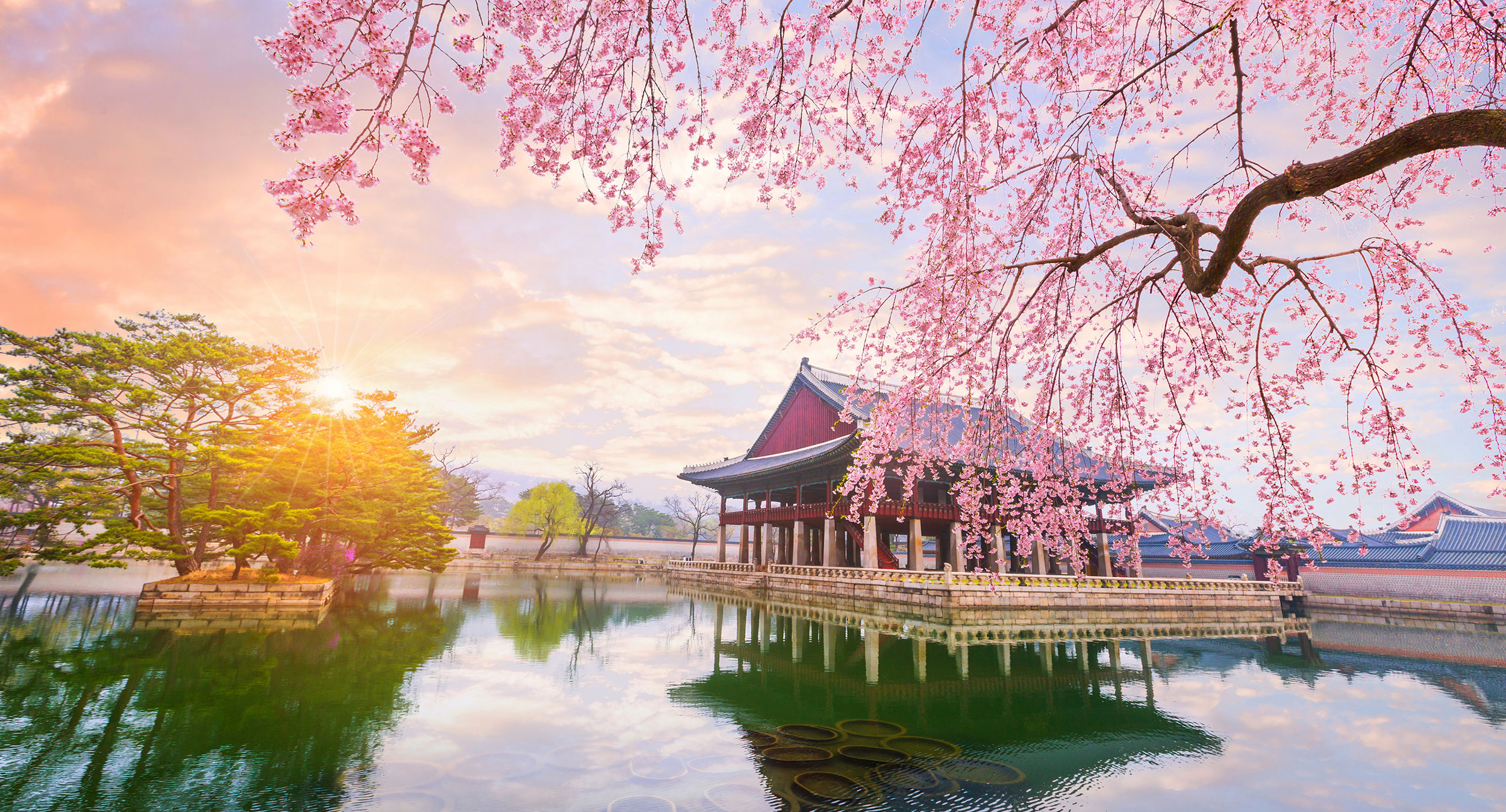
Busan provides an intriguing contrast and a fascinating glimpse into Korean culture. We may choose to explore the ancient city of Gyeongju, often described as a museum without walls, where temples, royal tombs and centuries of history reveal a different perspective on East Asia’s past.
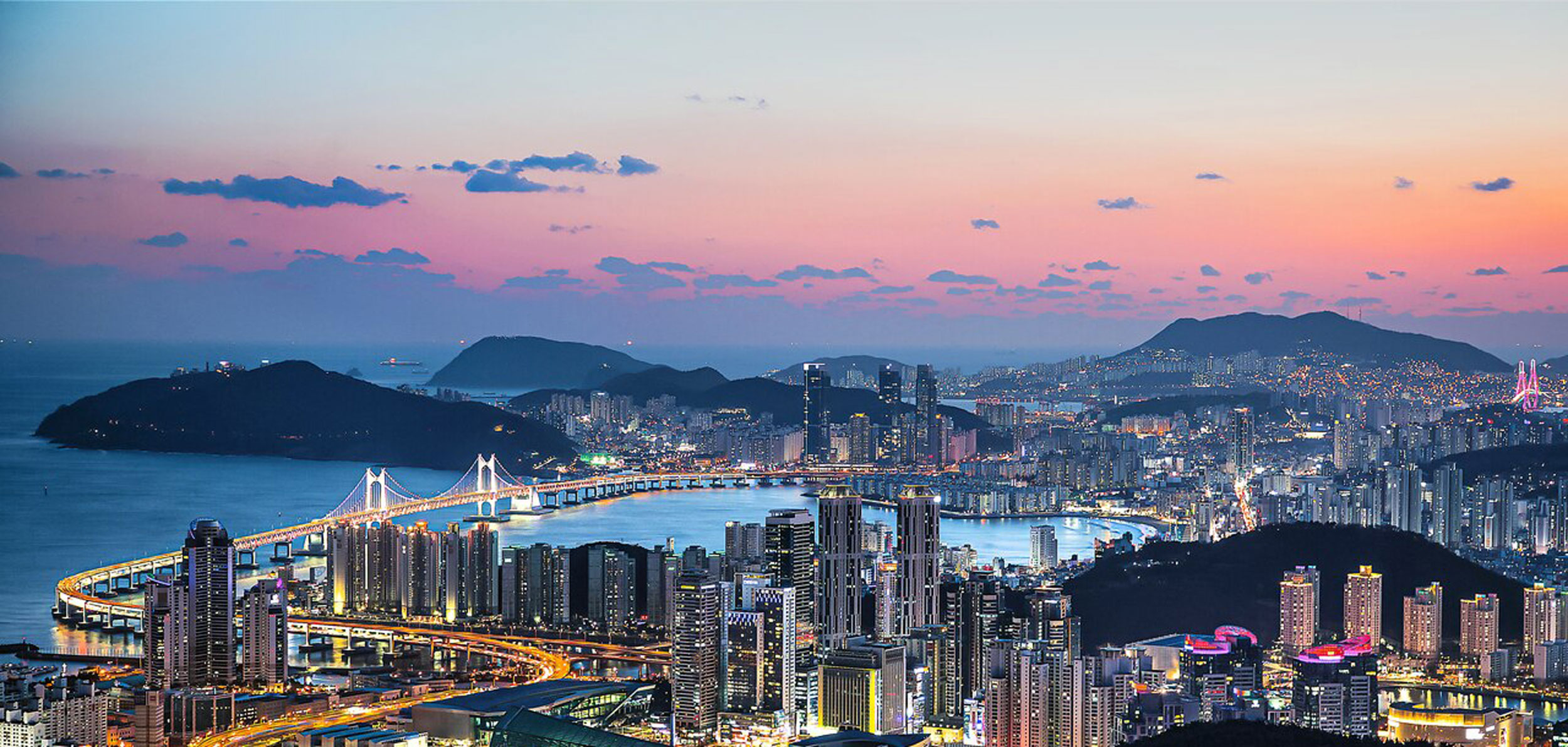
Or we may experience one of Korea’s most enduring traditions through a ceremonial tea experience. Guided by a tea master, participants discover how the ritual combines hospitality, mindfulness and harmony with nature, offering a striking counterpoint to Japan’s own cultural traditions. Bustling seafood markets, Buddhist temples overlooking the sea and vibrant street-food districts add further layers to a day that broadens the scope of the voyage beyond Japan alone.
One of the voyage’s most enjoyable moments comes not ashore but aboard. As Explorer transits the Kanmon Strait, many of us will inevitably find ourselves on deck. Wooded hillsides, fishing villages and passing vessels drift by at close quarters. It is one of those quietly memorable experiences that cruising does so well and a reminder that sometimes the journey itself can be every bit as rewarding as the destination.
Two relaxing sea days follow as the ship makes her way back towards Tokyo. There is time to reflect on all that has been experienced: Matsushima Bay, Hirosaki Castle, Kakunodate, Shirakawa-go, Izumo and the many other places that together reveal the remarkable variety of Japan.
Then, after circling much of the country, the skyline of Tokyo gradually reappears on the horizon.
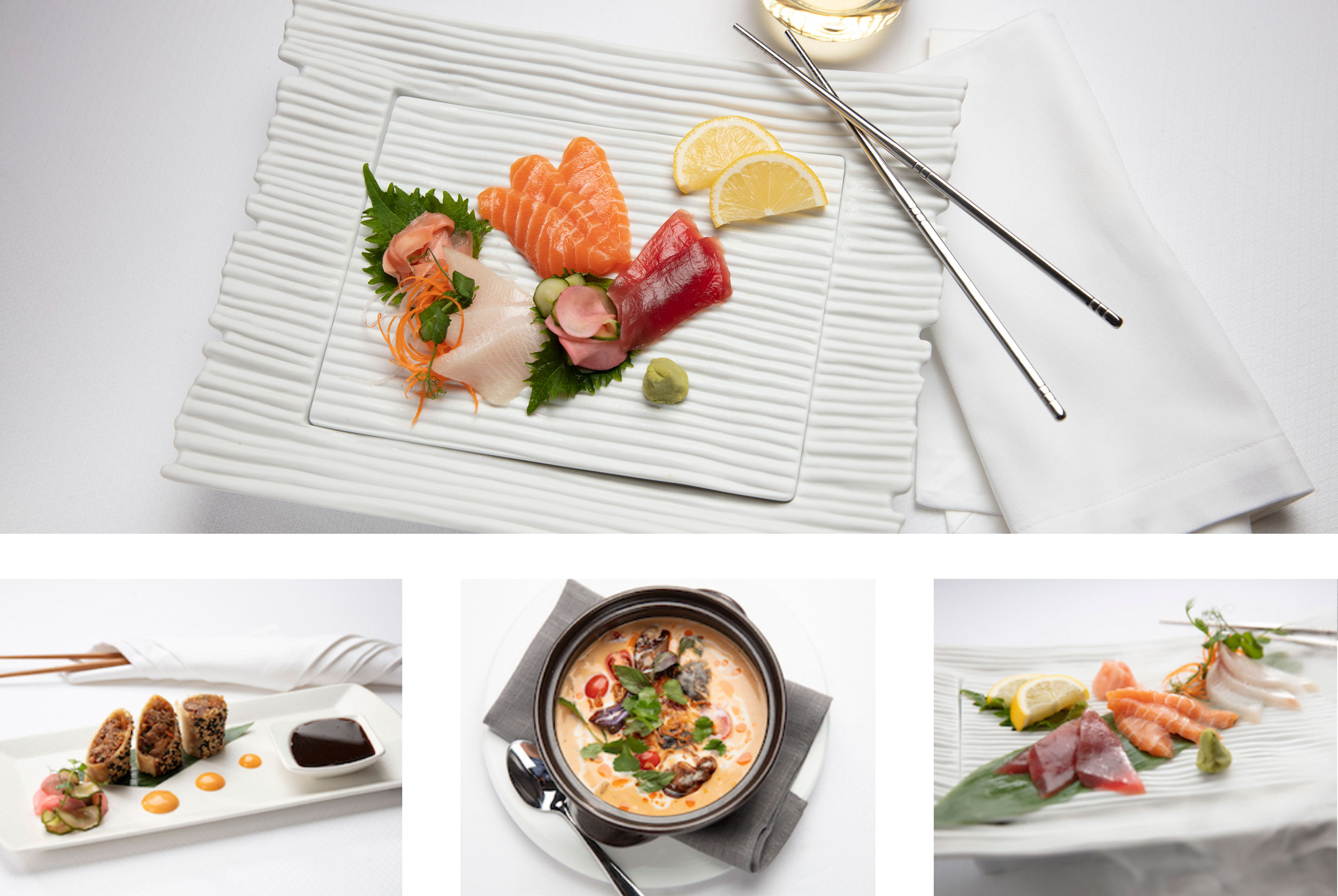
Unlike many cruises, the journey does not end abruptly. Explorer remains overnight in Tokyo, allowing us the luxury of experiencing Japan’s remarkable capital at leisure. We may choose to visit the Meiji Shrine or the Imperial Palace gardens. Or explore the celebrated districts of Ginza and Asakusa. We may be tempted by Hakone, where a cruise across Lake Ashi and views of Mount Fuji provide a fitting finale to the voyage. But the overnight stay also allows us time to enjoy another of Japan’s great cultural treasures: its cuisine.
After two weeks exploring the country, there is something wonderfully fitting about a final evening in Tokyo. We may choose an intimate sushi counter in Ginza, where master chefs prepare each course with extraordinary precision. Or seek out beautifully marbled wagyu beef, accompanied by premium sake, or enjoy a traditional kaiseki dinner that reflects the same attention to craftsmanship we have encountered throughout the voyage. All are at our feet. Tokyo is one of the world’s great food cities and Explorer’s overnight stay allows us the luxury of experiencing it in depth on our final evening in Japan, as we reflect on the landscapes, traditions and experiences of the previous days and nights.
Tokyo, the city itself, is unchanged. Yet after experiencing so many different faces of Japan — from pine-covered islands and blossom-filled castle grounds to samurai districts, geisha quarters, sacred shrines, mountain villages and traditional tea ceremonies — we are likely to see it rather differently than when we first departed.
Many cruises visit Japan during cherry blossom season. Far fewer combine the beauty of spring with a journey that reveals so much of the country itself.
Combined with the comfort, service and all-inclusive luxury for which Regent Seven Seas Cruises is renowned, this remarkable voyage aboard Seven Seas Explorer offers something rather special: not simply the opportunity to see Japan beneath the cherry trees, but to follow spring itself as it unfolds across one of the world’s most fascinating countries.
CountryClubuk Member Rates
CountryClubuk Members enjoy exclusive Members-only fares across the entire Regent Seven Seas programme.
The all-inclusive nature of a Regent Seven Seas cruise often makes it more advantageous than lines where you pay for everything separately — and this is especially true on Explorer’s ‘Under the Cherry Trees’ voyage. Everything from unlimited shore excursions and speciality dining to fine wines, spirits, WiFi, gratuities and more is included.
CountryClubuk Members are saving £4,942 to £6,772 per person compared with the brochure fares, and £1,412 to £4,722 versus Regent’s best available rates. Club Members’ rates start from £7,797 per person.
Veranda Suite H (limited availability)
Regent Brochure Fare: £12,739 pp
Best Available (BAR) Fare: from £9,209 pp
CountryClubuk Member Fare: from £7,797 pp
Member Saving: up to £4,942 pp
Serenity Suite F2
Regent Brochure Fare: £13,499 pp
Best Available (BAR) Fare: from £9,969 pp
CountryClubuk Member Fare: from £8,497 pp
Member Saving: up to £5,002 pp
Concierge Suite E
Regent Brochure Fare: £14,349 pp
Best Available (BAR) Fare: from £10,719 pp
CountryClubuk Member Fare: from £9,197 pp
Member Saving: up to £5,152 pp
Penthouse Suite C
Regent Brochure Fare: £17,039 pp
Best Available (BAR) Fare: from £14,419 pp
CountryClubuk Member Fare: from £11,299 pp
Member Saving: up to £5,740 pp
Seven Seas Suite
Regent Brochure Fare: £21,969 pp
Best Available (BAR) Fare: from £19,929 pp
CountryClubuk Member Fare: from £15,197 pp
Member Saving: up to £6,772 pp
Travel Well with CountryClubuk
CountryClubuk Members enjoy exclusive advantageous rates on Regent Seven Seas Cruises and many of the world’s finest luxury travel experiences, together with personal service, expert advice and a carefully curated collection of hotels, cruises, events and lifestyle privileges. If you are not yet a Member, we warmly invite you to discover the advantages of joining CountryClubuk.
→ Discover CountryClubuk Membership
PLEASE READ: CountryClubuk Club Rules and Terms and Conditions
Check best rates and availability: inquire below
PLEASE READ: CountryClubuk Club Rules and Terms and Conditions